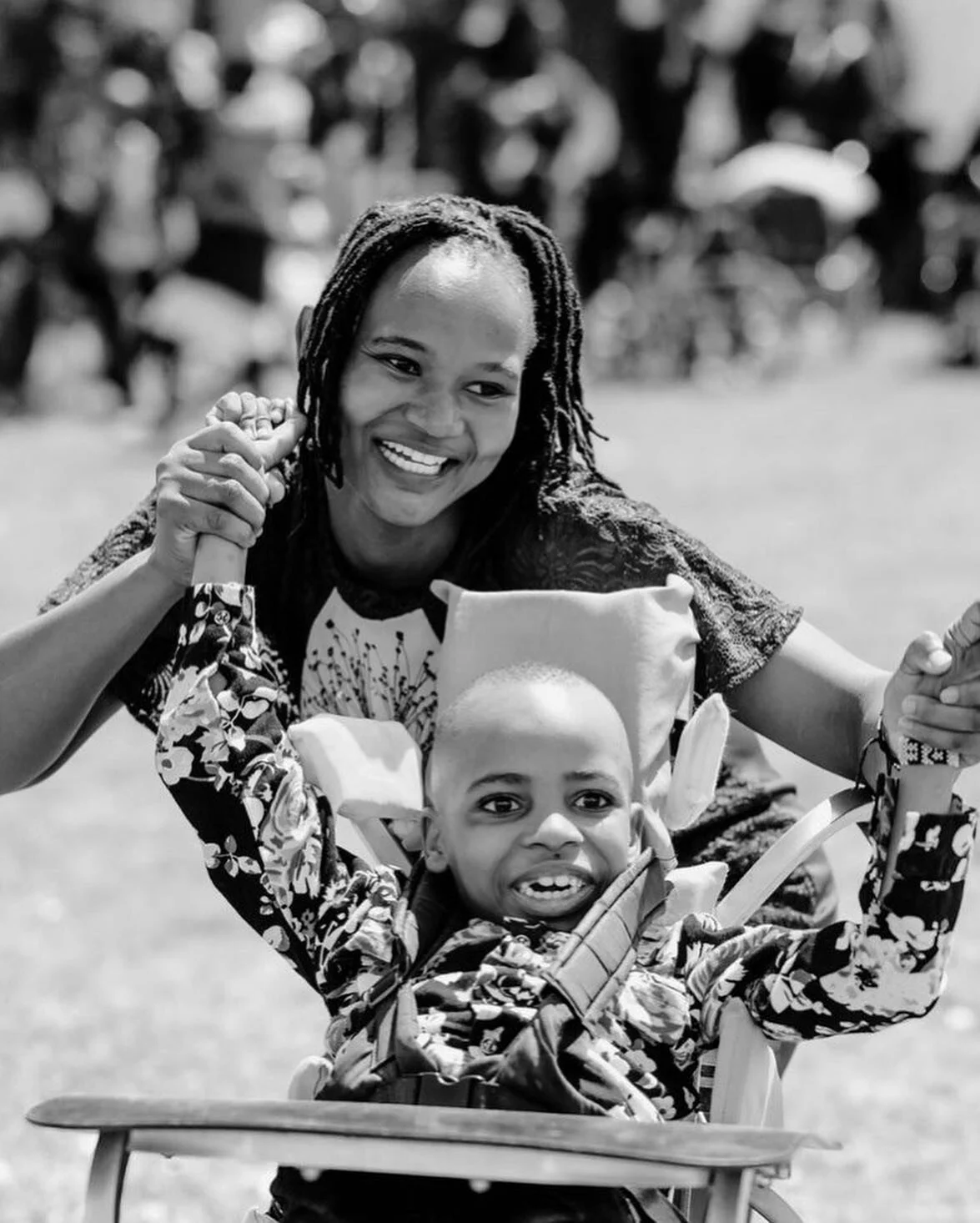
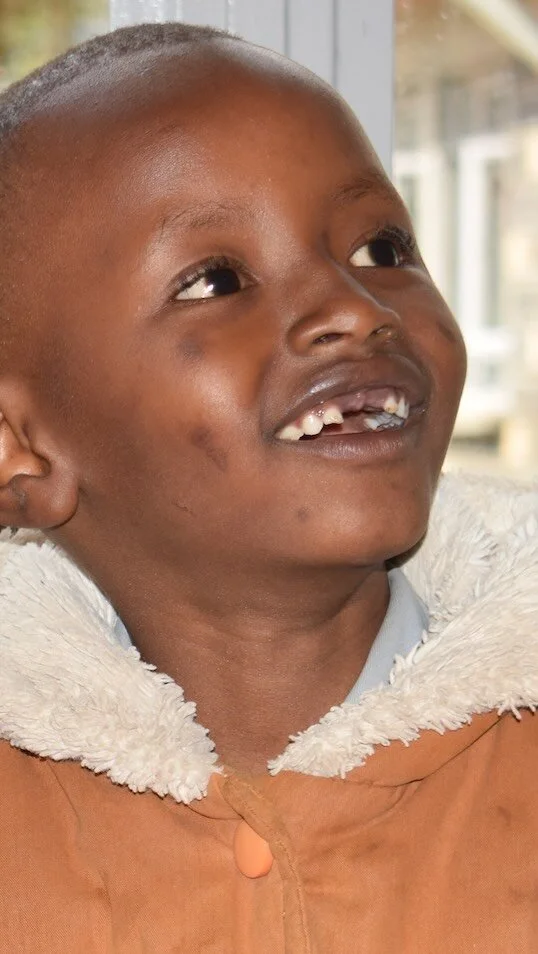
As featured on One.org as part of a global campaign to urge world leaders to develop a global response to the learning crisis resulting from the global pandemic by asking them to invest in quality education for all children, regardless of where they live. The situation is particularly dire considering that even before the pandemic, 90% of 10-year-olds in low-income countries couldn’t read or understand something simple, like a school test or health leaflet.
Maai Mahiu is a bustling trading center that never sleeps. It is a long-distance truck stop that sits in the shadow of a massive escarpment at the bottom of the Rift Valley, about an hour west of Nairobi, the Kenyan Capital. Here, tucked between single-story shops selling household consumables, agricultural supplies, and truck spare parts, along a dusty street parallel to the Nairobi – Kampala highway, you’ll find the Ubuntu Life Education Centre.
This is where Teresiah Njeri Ngugi, mother of five in her forties loves to come to every morning, from her home a few kilometers away. It is a walk she has enjoyed taking for eight years now, after getting inspired to become an educator by one of her high school teachers, Miss Mungai, who was very friendly and caring towards her.
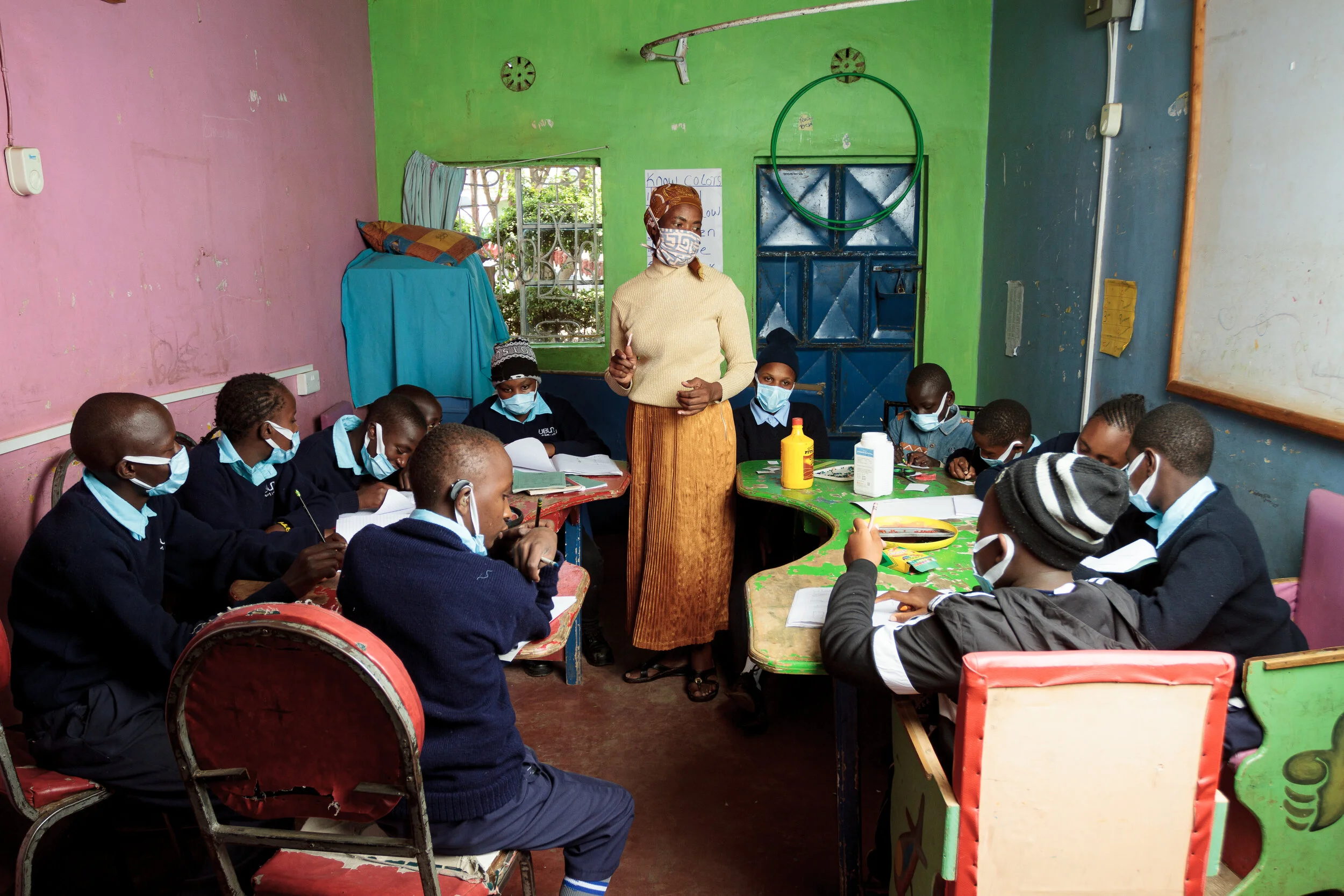
Today, in one of the classrooms at the Ubuntu Life Centre, Teresiah is paying forward the same love that was shown to her many years ago to her students today — special needs children between the ages of 10 and 18.
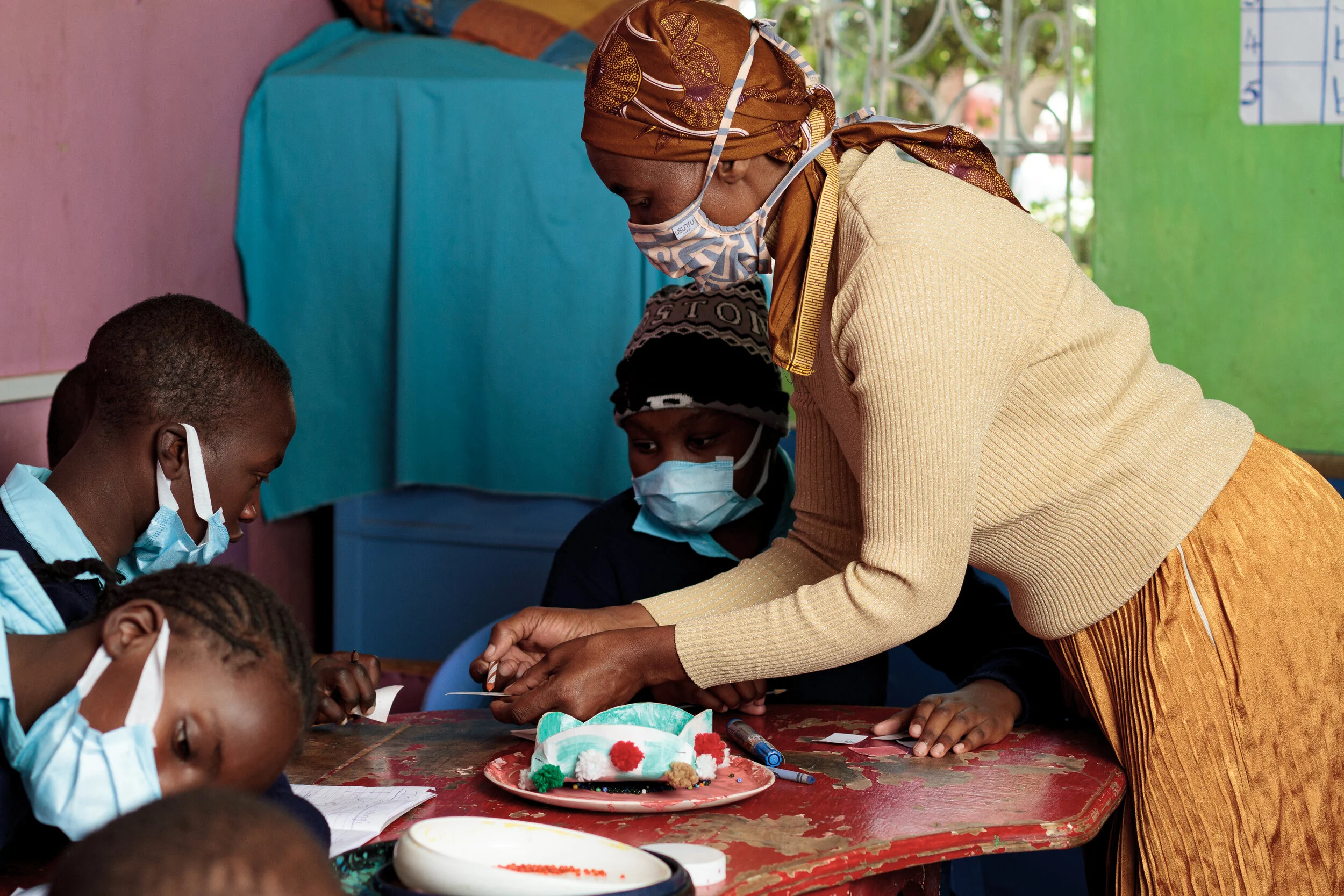
She is helping them develop their motor skills as they make jewelry pieces. Teresiah is moving from desk to desk, helping her students push knitting yarn through tiny bead holes to make colorful bracelets and artistic necklaces. The results not only impress Teresiah but the young creators as well who are modeling their masterpieces to one another.
The sounds of excitement the students make drown the sounds of trucks passing by outside the classroom. Though loud, it is a welcomed sound that was missing at the Ubuntu Centre for most of 2020.
Taking care of special needs during COVID-19
When the first case of COVID-19 was reported in Kenya on March 12th of 2020, the government ordered the closure of all learning institutions across the country as measures were put in place to stop the spread of the coronavirus. Students were sent home as the Ubuntu Centre was closed, awaiting reopening instructions from the Education Ministry.
While staying at home reduced the chances of pupils catching the virus, it did affect them psychologically, as they missed the camaraderie, fun, and sense of belonging that learning at the Ubuntu Centre offered.
After several weeks of staying at home and with no sign of the crisis ending, the management at the Ubuntu Centre met and decided to adapt to the coronavirus restrictions by changing how learning was conducted.
“We came together as an organization and decided to revise how we took care of the children here at the Centre while making sure their health and safety remained a priority,” Teresiah said.
“We decided to switch from classroom to individual learning. We had two dedicated teachers, each attending to only one child at a time. Each teacher attended to no more than two pupils every day. We also instituted 30-minute breaks between pupils to sanitize surfaces and teaching materials that we were using” said Teresiah.
Handwashing stations were set up around the Centre, sanitizer bottles were placed in each class, and a mandatory face mask and social distancing policy was put in place by the Centre’s administration.
Coming together again
When learning officially resumed at all schools in Kenya last October, Teresiah noted that the pupils were very happy to be in each other’s company after seven months of little to no interaction with each other. During the March to October closure, some parents had opted not to bring their children to the Centre even with the COVID-19 protocols that had been put in place. This meant that there was a lot of catching up to do for the pupils who had been away from school for long.
“Despite some pupils having regressed, we noticed that when they came back, their minds were refreshed, and there was a marked improvement in life and communication skills. We believe this was because of the time the pupils got to spend with their parents who were also at home during the lockdown, and siblings who would have otherwise been away in boarding schools,” Teresiah said. For the students of the Centre, the pandemic came with a silver lining.
Learning at Ubuntu Centre went on well from January to March 2021, with parents dropping off their children in the morning, Teresiah and other teachers sharing life skills with them during the day before the students returned home with their parents in the evening. This was until March 26th, 2021, where under a Presidential Directive, all learning institutions, including the Ubuntu Life Centre, were closed as Kenya experienced an increase in coronavirus infections that had put an unbearable strain on the country’s health system.
Teresiah now waits for the next Presidential Directive to be issued at the end of April 2021 to know if she can get back to paying forward the same love and care to her own students that inspired her to become a teacher today.
Editors note: Kenyan schools re-opened on May 10, 2021, under strict Covid-19 control measures.