Kenya recently entered a second lockdown as the Covid-19 positivity rate jumped from 2% to 22% between January and March, leading to a deadly third wave. Only three months after we re-opened our special-needs school, we have been forced to close their doors yet again.
While necessary, these measures have hit the most vulnerable members of our community hardest, leaving them without a source of income. This March, one year into the global pandemic, we have renewed the pledge we made 12 months ago to provide food, drinking water, and personal hygiene products to the most vulnerable special needs kids whose household livelihood has been decimated by the financial fallout of COVID-19. And we continue to plant and harvest vegetables from the organic garden on our land in Maai Mahiu, which we regenerated from a barren piece of land to a flourishing ecosystem.
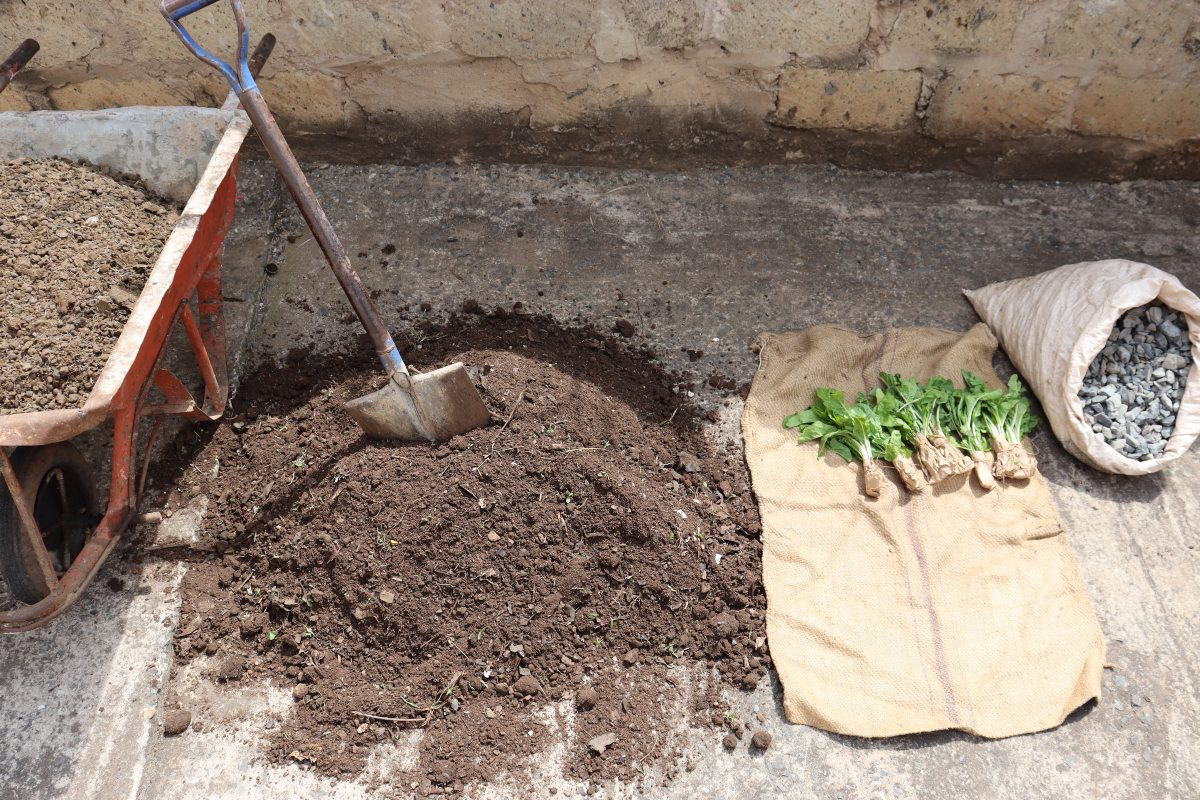

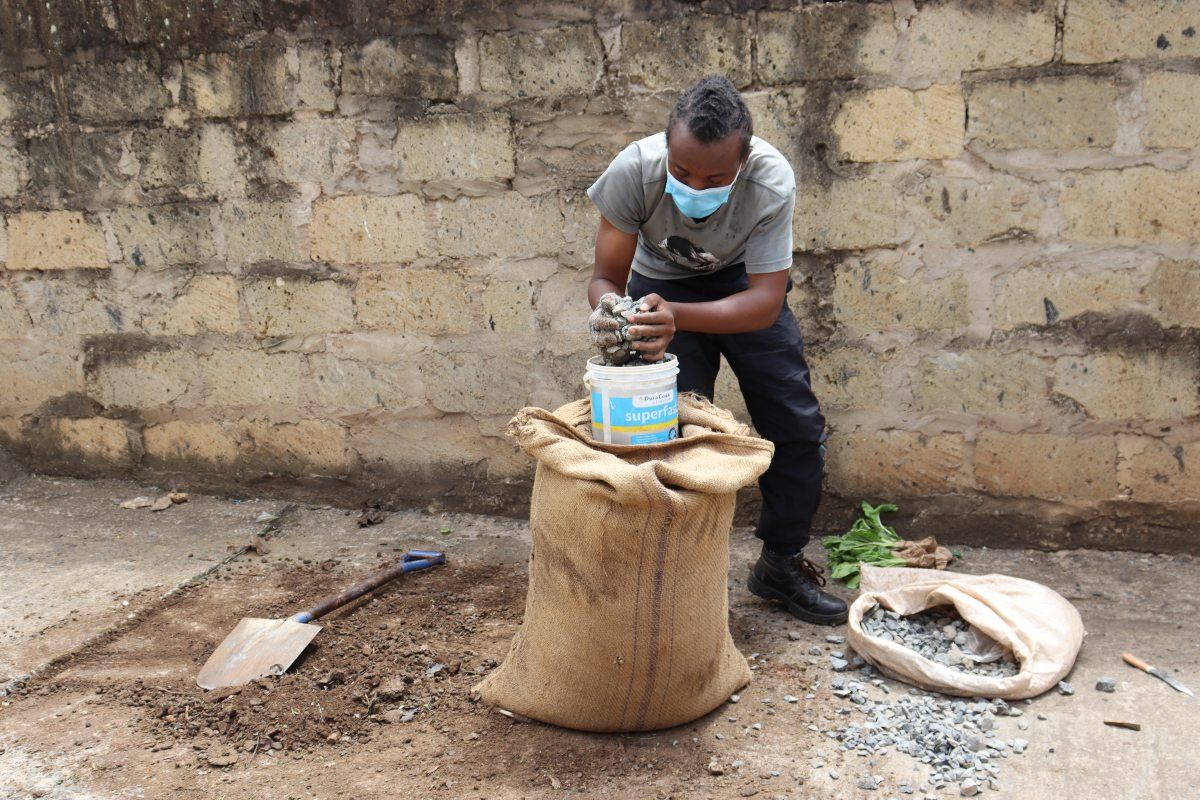
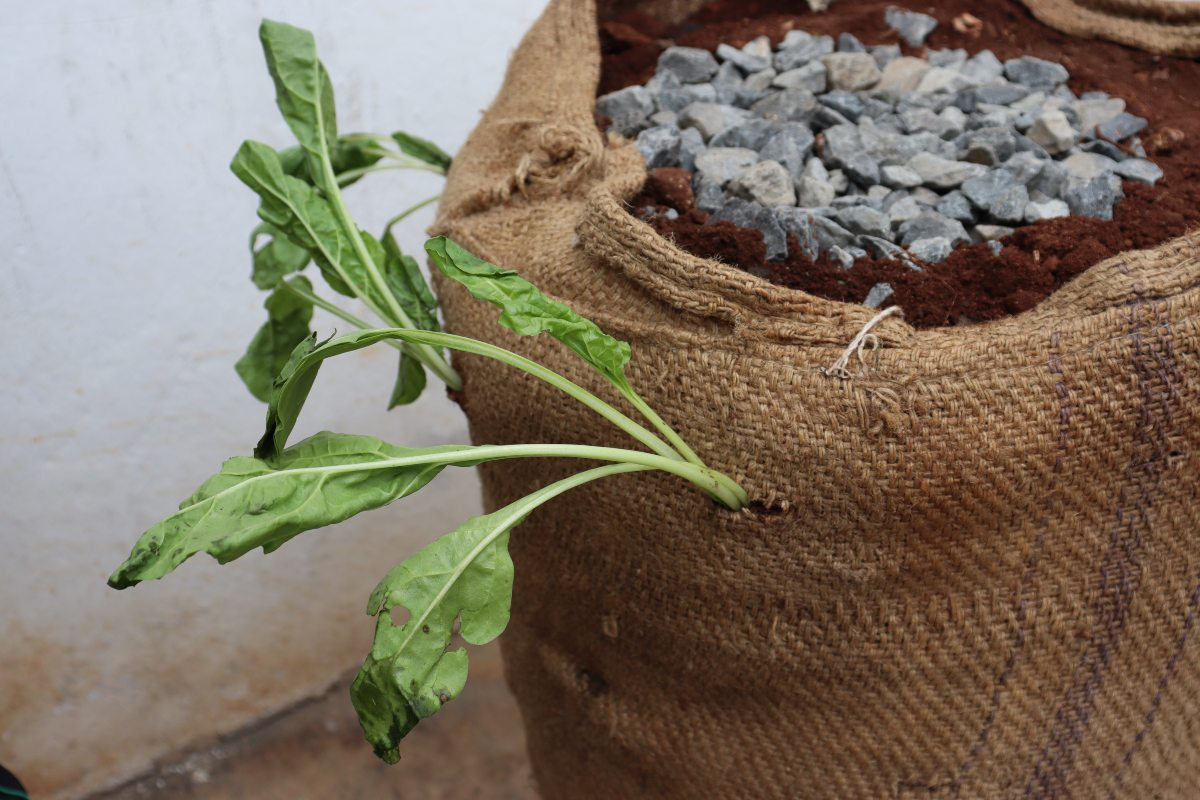
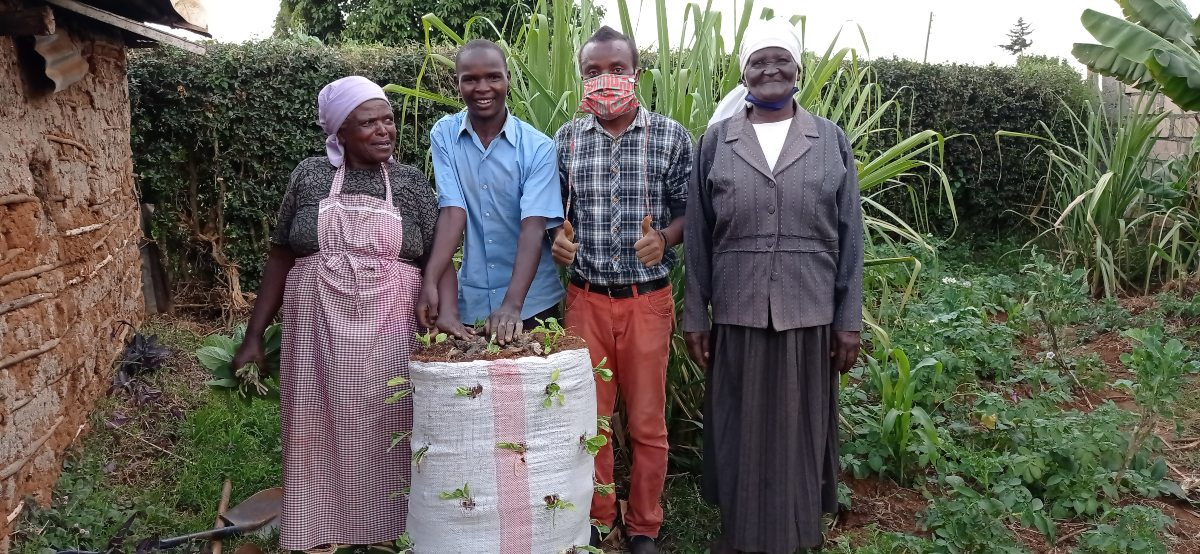
Last year, despite these efforts, our clinicians noticed a worrying uptick in malnutrition amongst the kids in their neural health program. We hired nutritionist Dennis Kithinji to address this. He found that families needed easy access to nutrient-rich vegetables in their own homes, protected from the elements and wildlife, and easy to maintain. He immediately spearheaded a sack garden pilot program, which was a great success. To date, Dennis has assessed 56 kids and carried out 21 home visits.
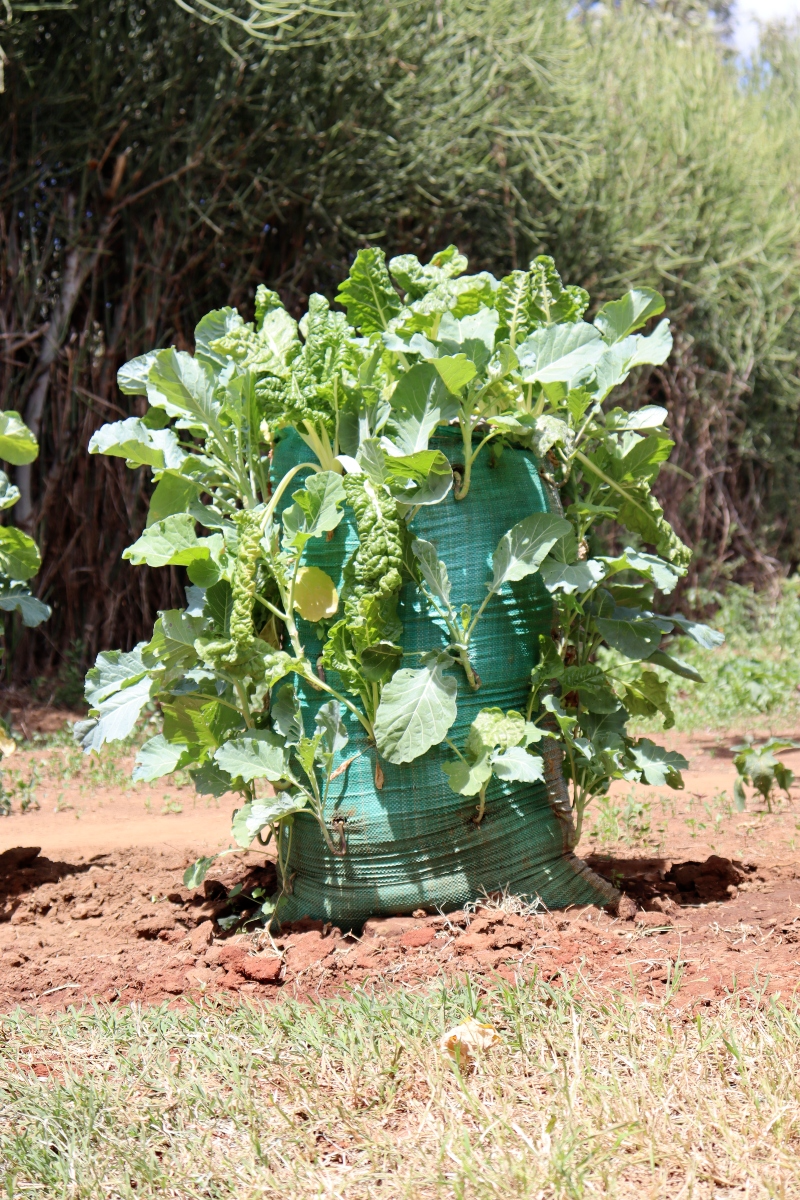
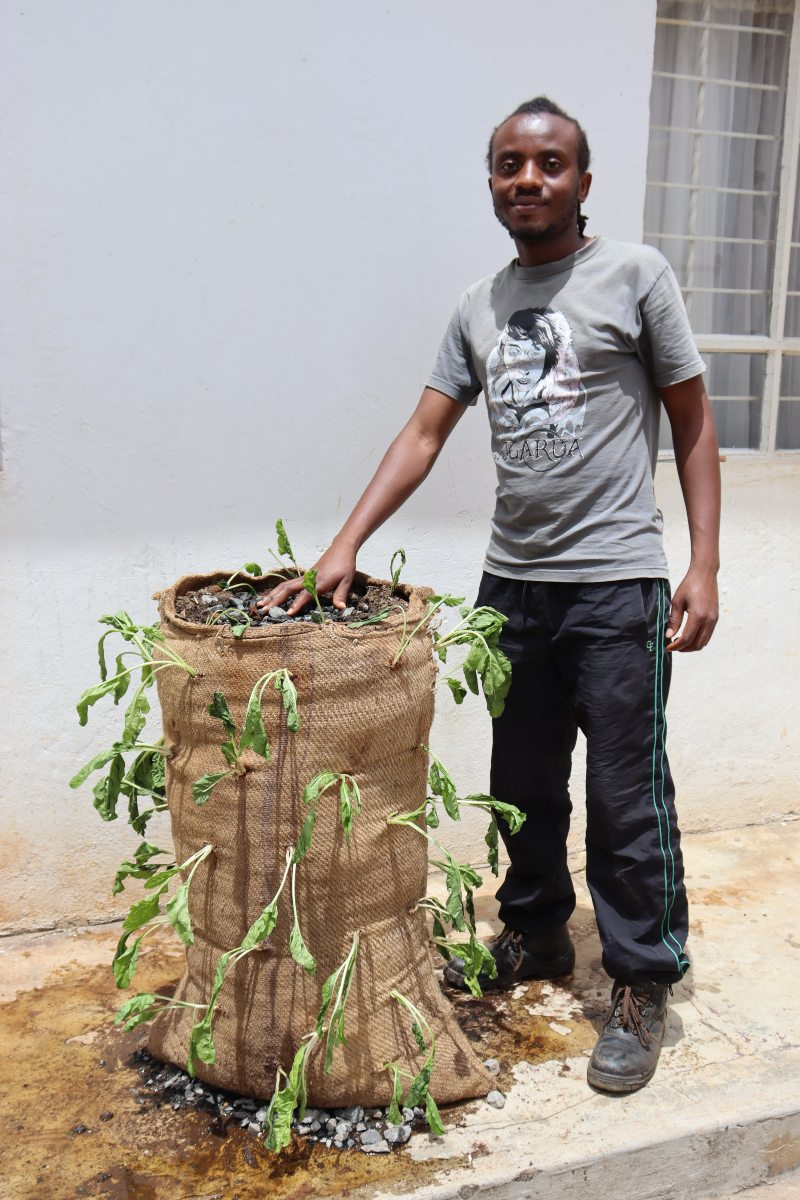
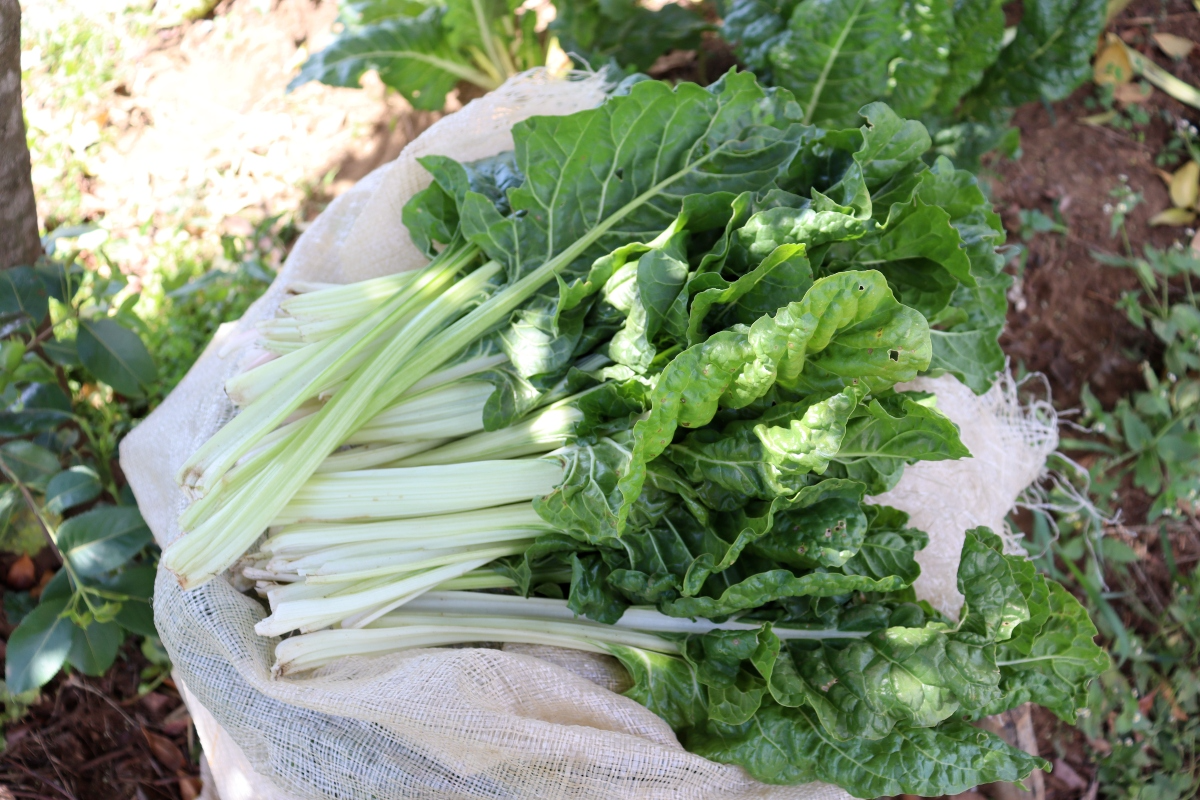
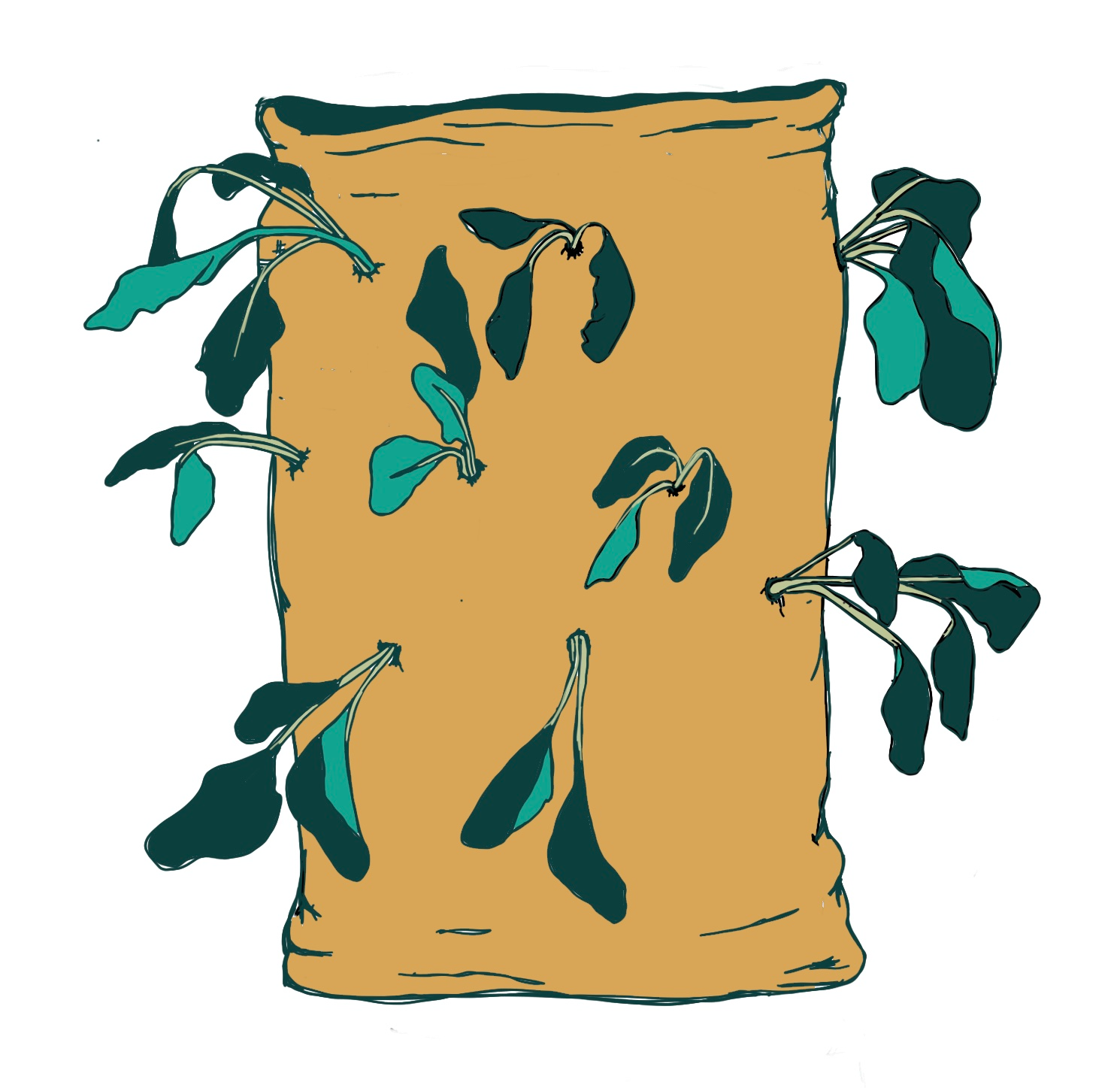
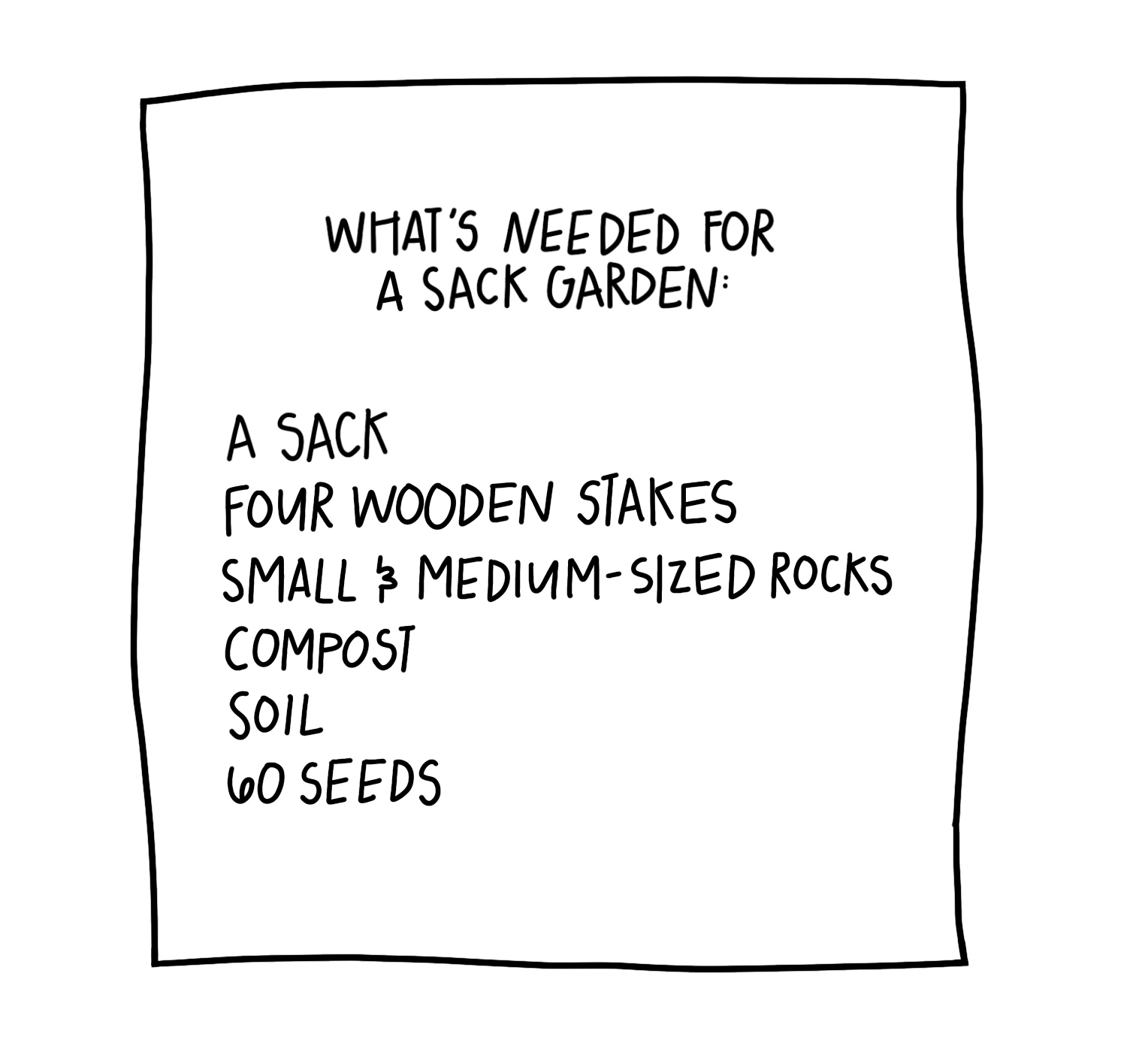
With the new lockdown measures and the kids no longer able to receive the nutritious food they so require, we decided to quickly scale up their sack garden program to reach as many families as they can.
Just $10 allows us to cover the set-up costs of two sacks per family with continuous harvest vegetables rich in nutrients, which can feed a family for a year.
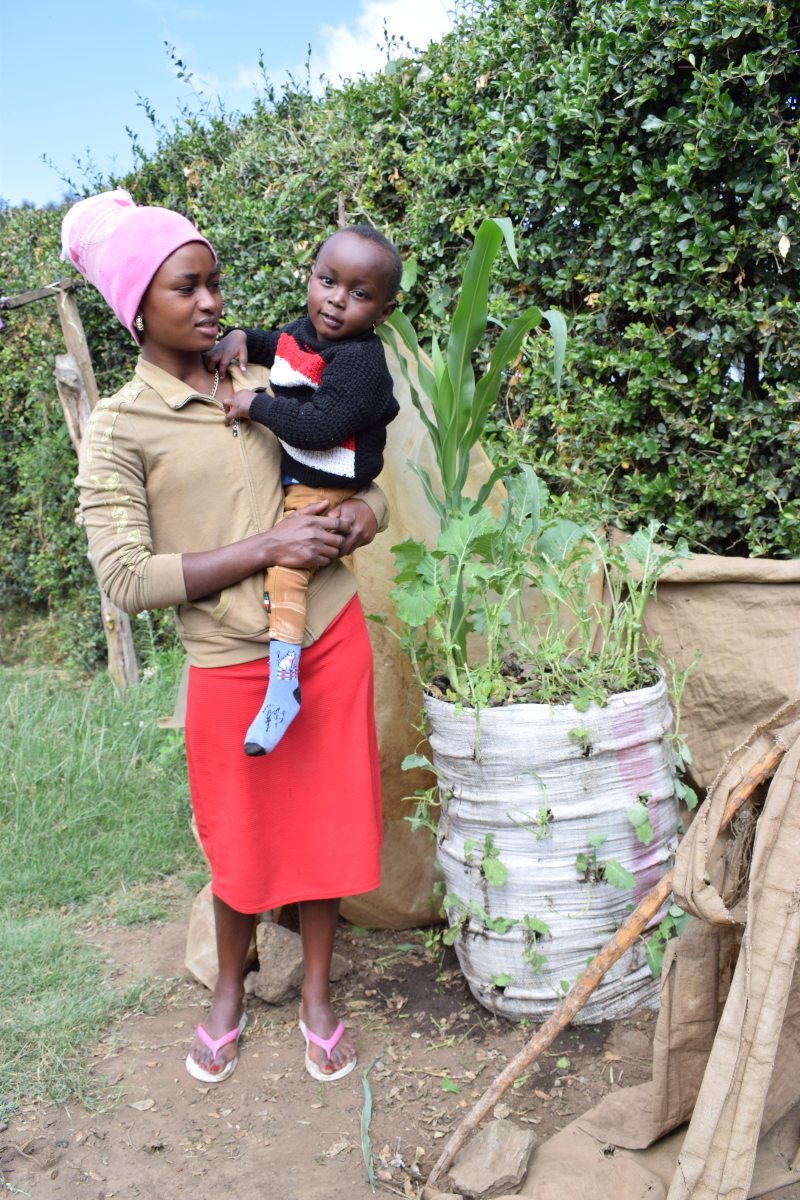
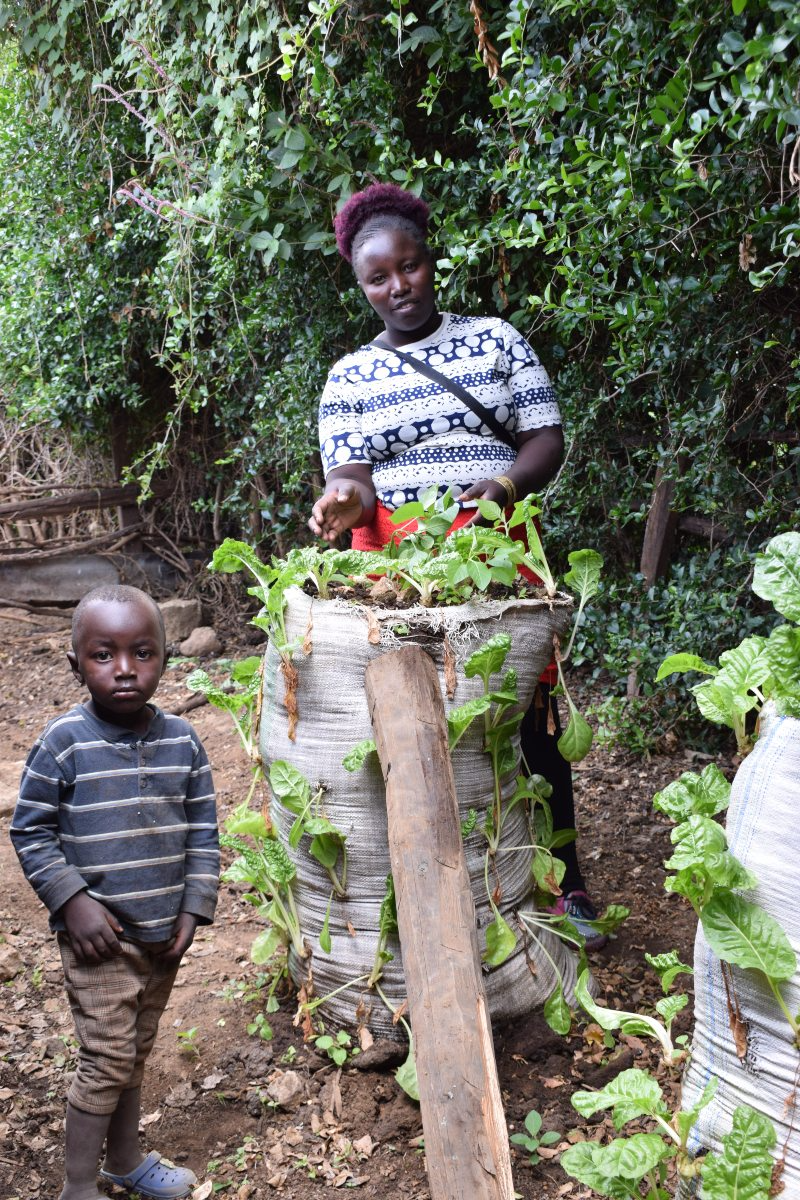
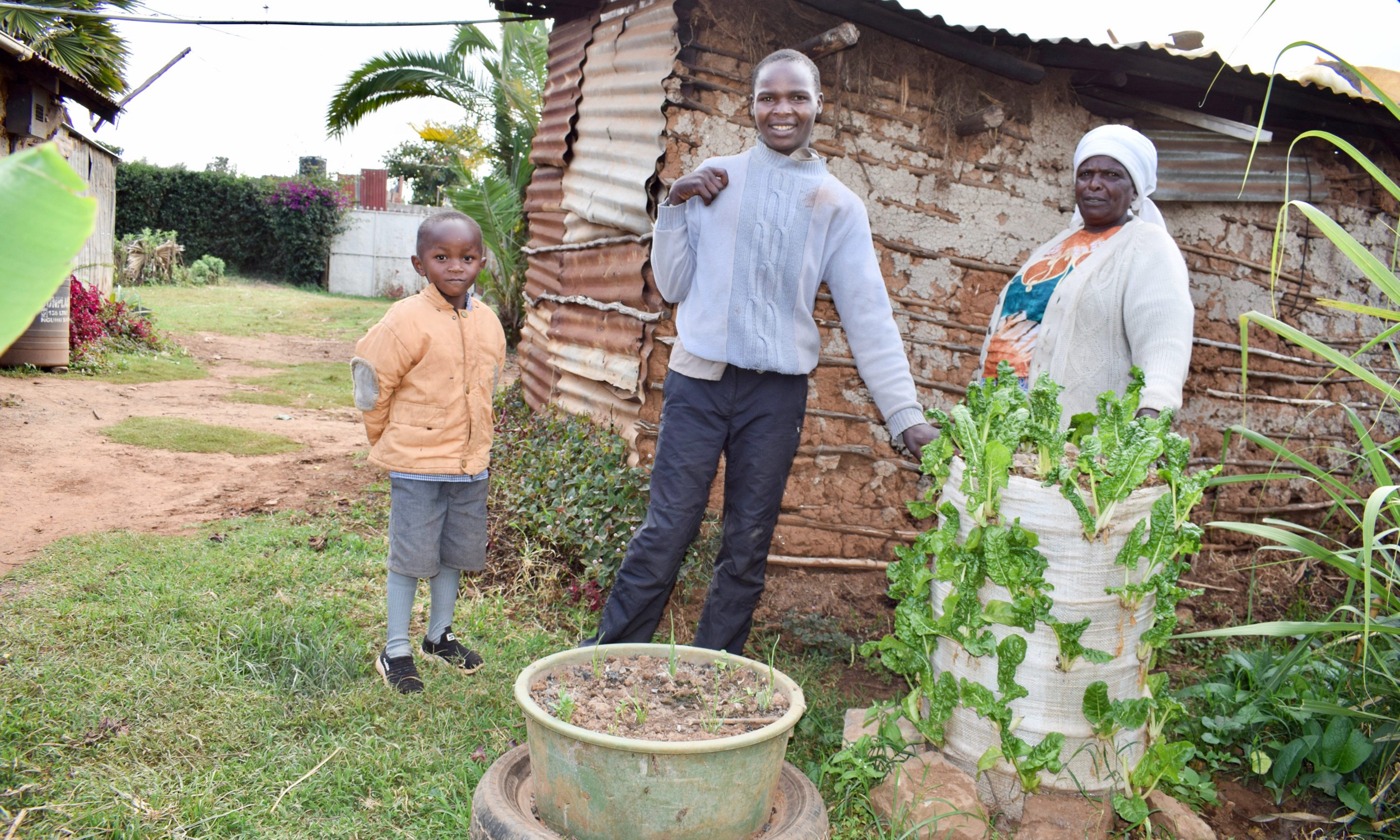
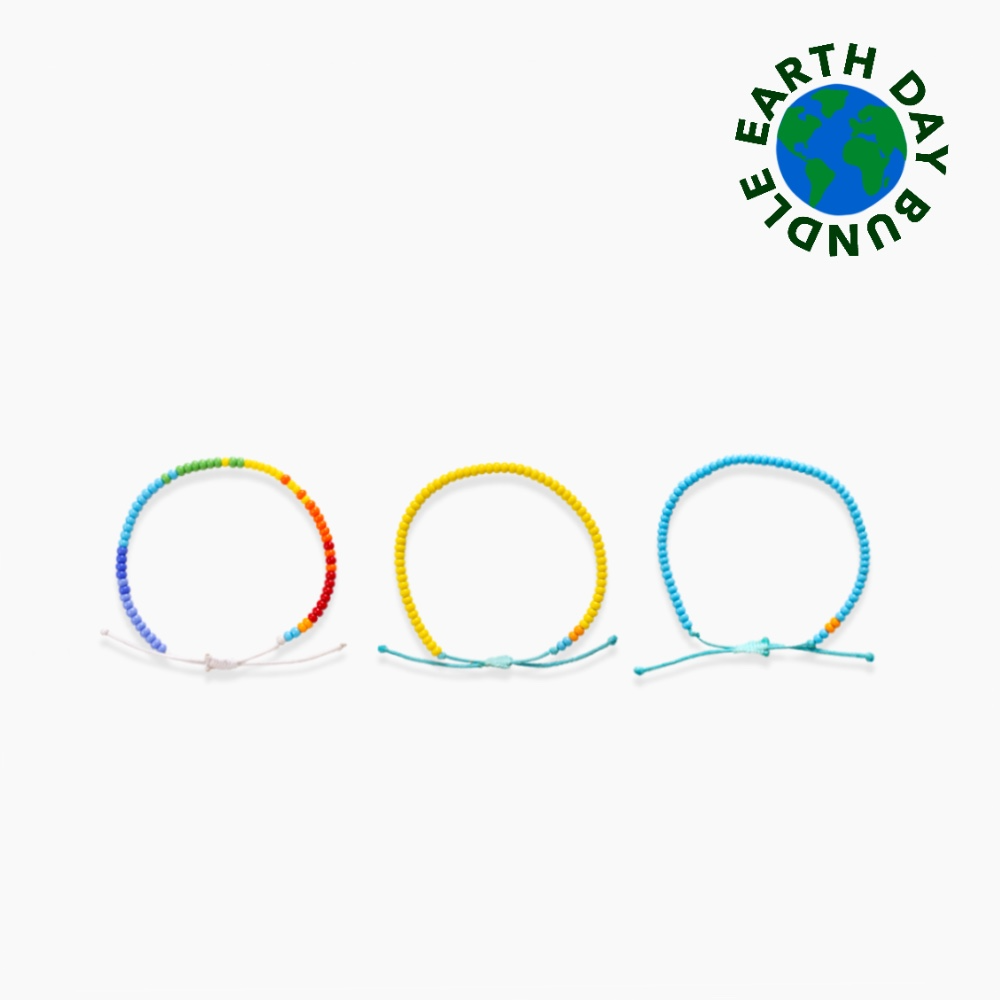
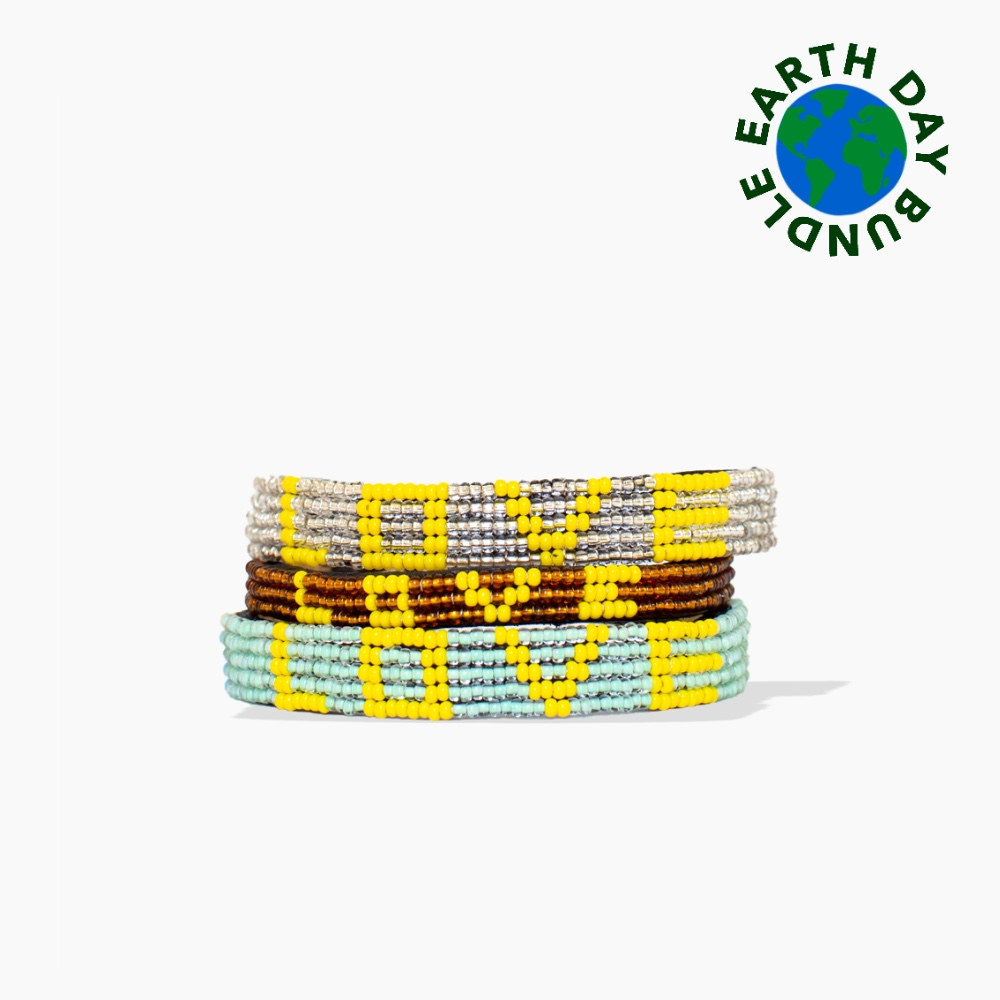
From today — Earth Day — our sister organization is committing all the proceeds from their Earth Day Bracelet Bundles to the set-up of sack gardens. The more bracelets sold, the more families we can reach. We invite you to join them in this life-sustaining endeavor!