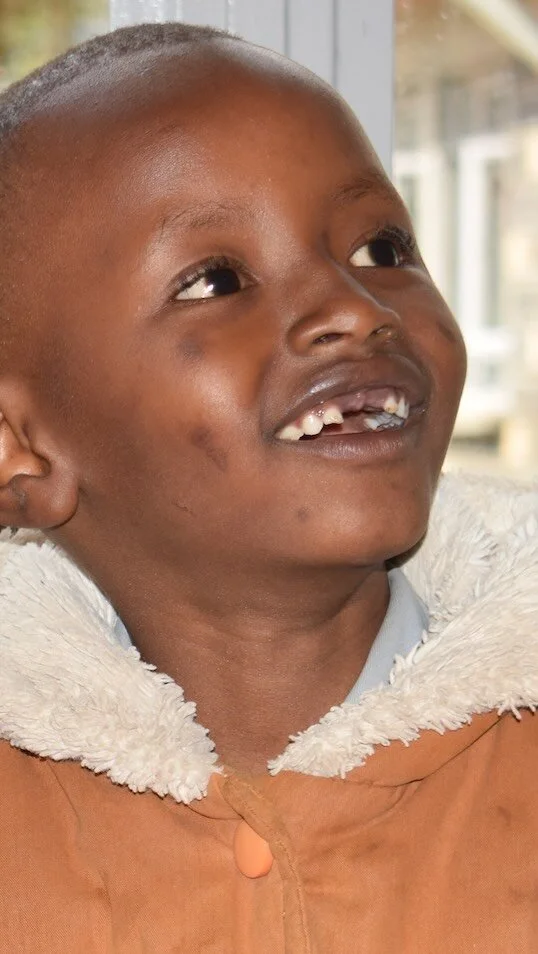
It is simply staggering that 8 out of 10 people with epilepsy in developing countries do not receive treatment. In Africa, approximately 75% of the 10 million persons with epilepsy live in rural and semi-urban areas where treatment is nearly non-existent. These statistics are particularly egregious given that there are affordable drugs and effective, low-cost programs. Unfortunately, this is not just a developing world problem — 4 out of 10 people with epilepsy in the industrialized world do not receive appropriate treatment.
With these dire statistics, it was a tremendous development when the World Health Organization passed a landmark epilepsy resolution calling for the need for coordinated action at the country level to address the health, social, and public knowledge implications of epilepsy. However, no African countries have developed an epilepsy national plan. In Kenya, the National Epilepsy Coordination Committee has come up against bureaucracy as they have tried to lobby the government and the Ministry of Health to implement a national plan.
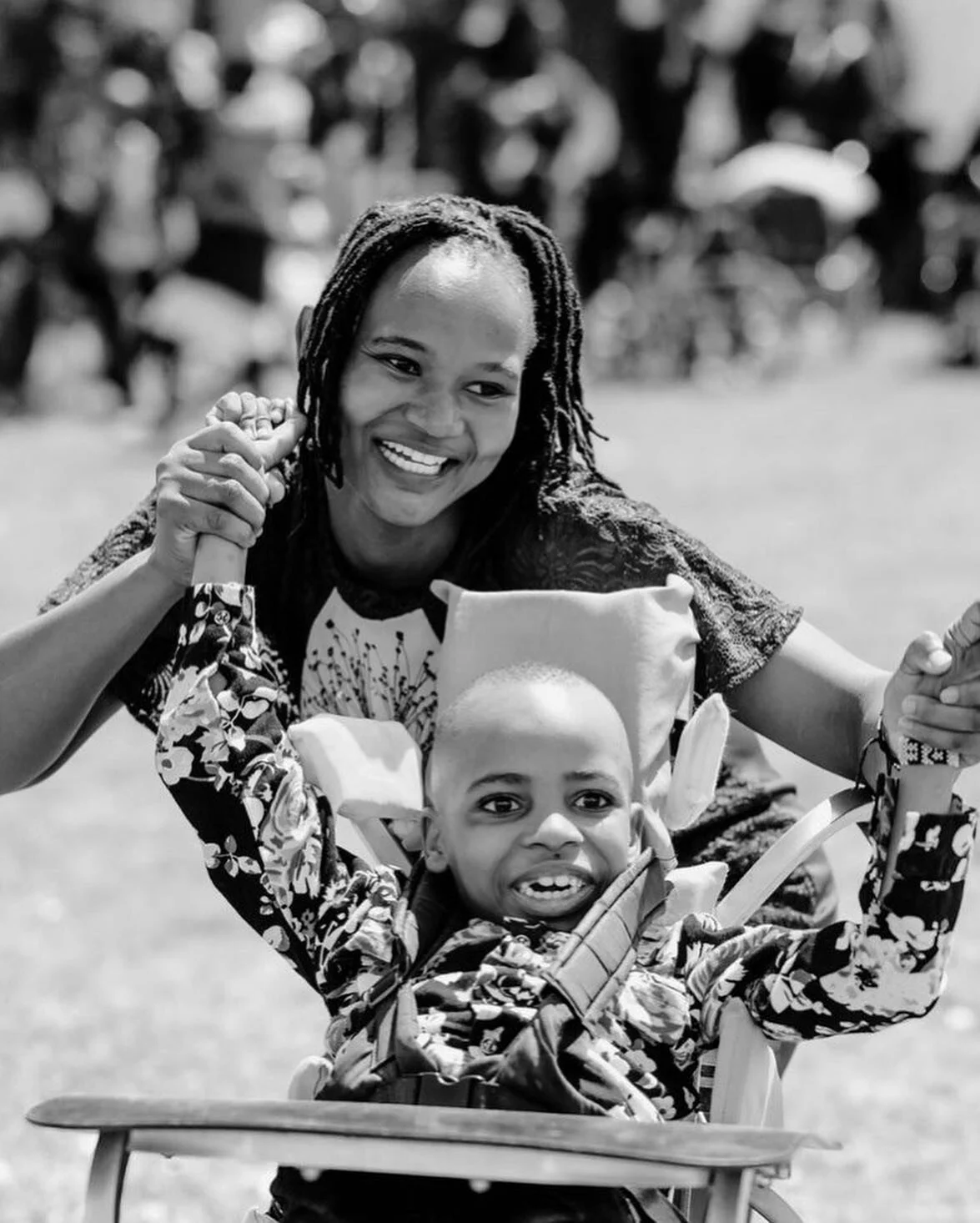
Without a coordinated national response, it falls on organizations like ours to bridge the gap in understanding and treatment, despite our limited capacity. We provide services not only in Maai Mahiu and the surrounding area but for children like three-year-old Latifa Khalif. Latifa and her family travel more than four hours by bus to attend our neural clinics and receive occupational therapy. Thanks to you, our global Tribe of supporters, volunteers, and friends, we have continued to hold neural-health clinics and purchase life-saving epilepsy medication even as the COVID-19 pandemic has dealt a heavy blow to essential health services.
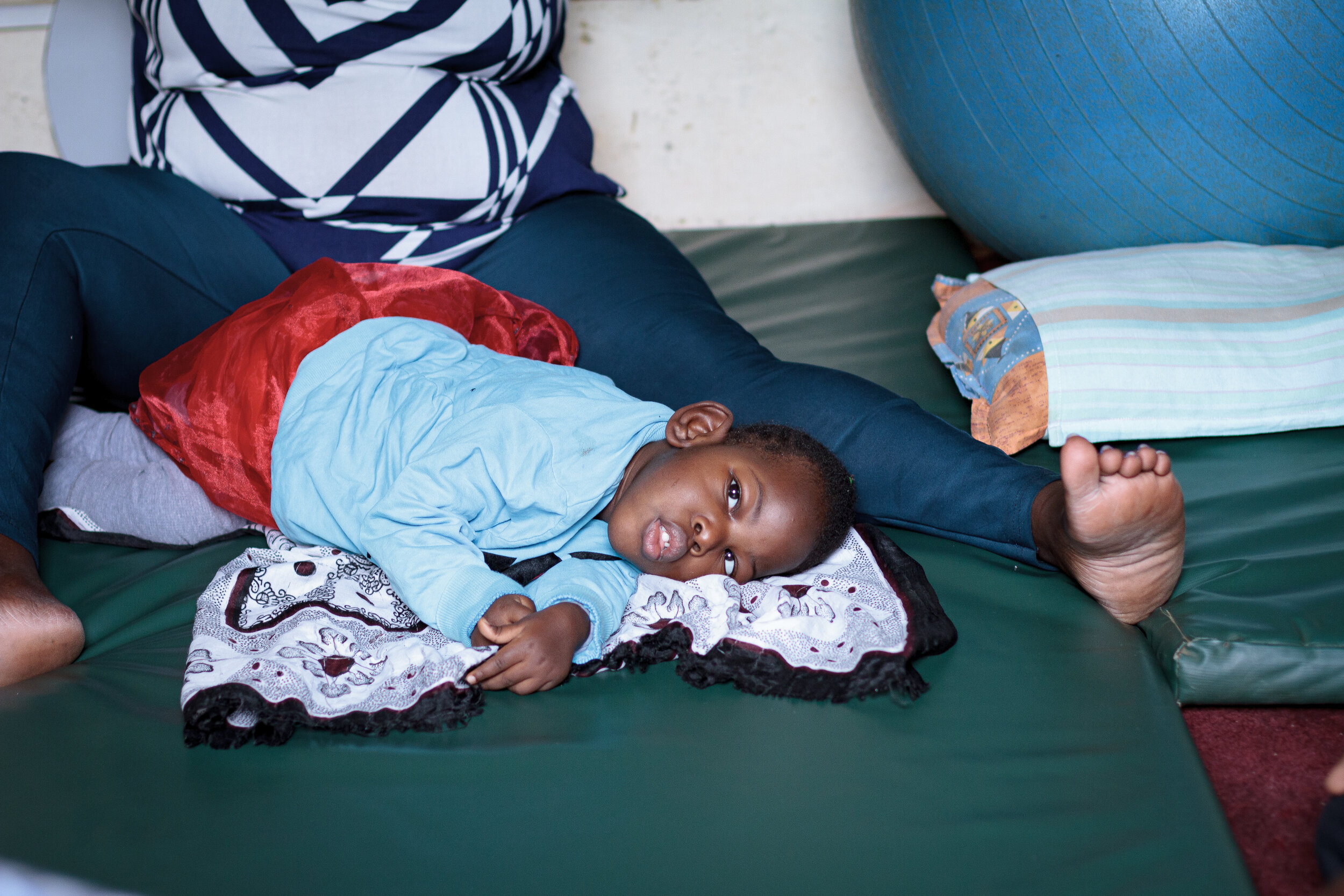
Latifa Khalif
This year, under the theme: 'Epilepsy Is More Than Seizures,' the global epilepsy community has encouraged those living with epilepsy to share why epilepsy is more than seizures for them. For many with epilepsy, the misconceptions and discrimination can be more challenging than the seizures themselves. People with epilepsy experience anxiety at twice the general population's rate, leading to isolation, a loss of self-respect, and an impaired lifestyle.
We asked Tabbie Njeri, one of our two social workers, about her experience. Diagnosed with epilepsy at the age of 14, she has overcome many challenges and impresses us to no end with her incredible resilience. Initially, Tabbie had wanted to be a nurse but had to drop out of nursing school due to almost daily convulsions that resulted in numerous hospital stays. When she recovered enough to resume her studies, Tabbie decided to pursue a degree in social work to reach out and support the most vulnerable in society.
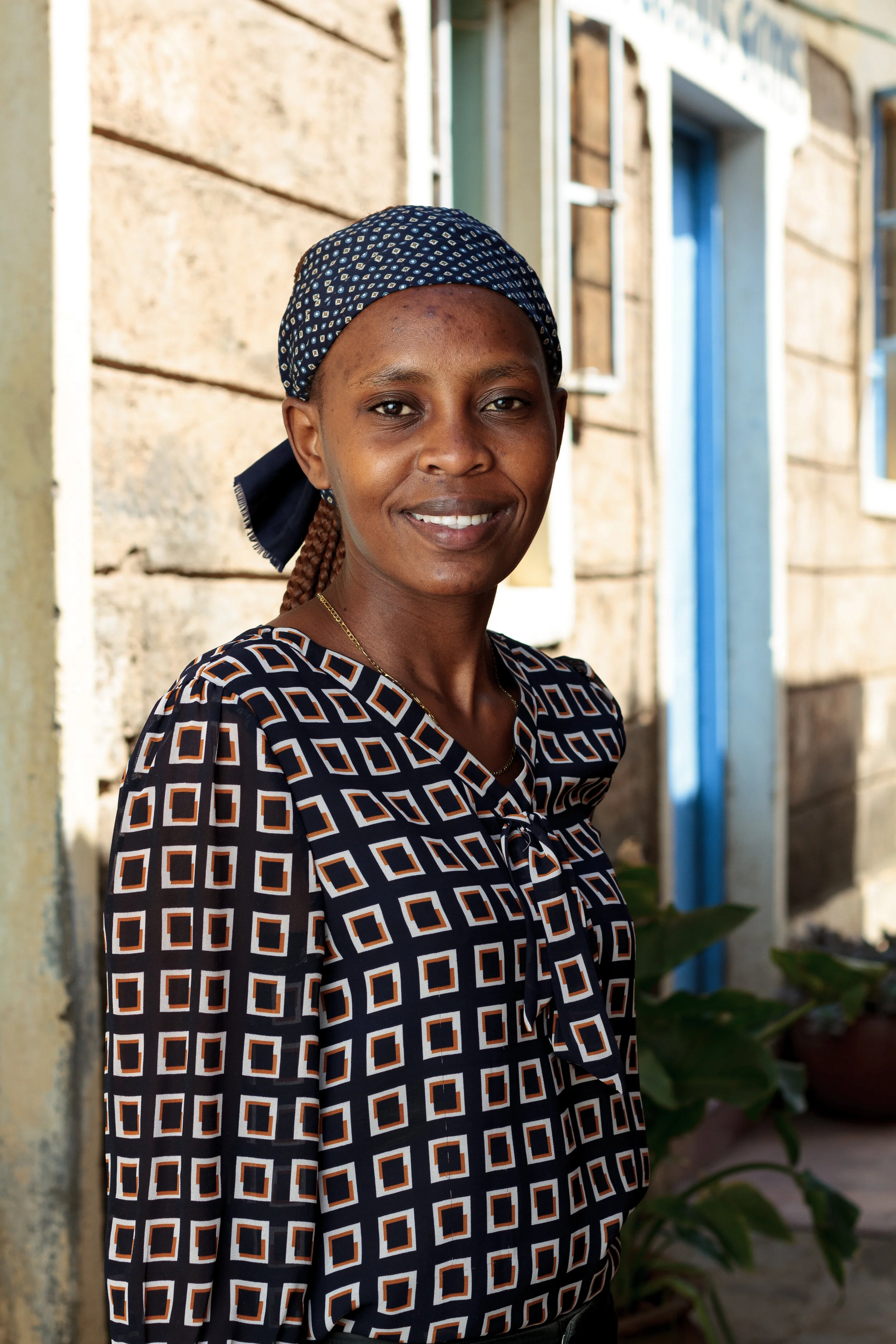
“There is so much anxiety that you might have a seizure in the streets or other public places. No matter how strong you are, seizures can make your esteem go down — when you can’t explain it or when you lose friends. And you miss out on other activities like swimming or driving. Even when there is an aura stage [a physiological warning that a seizure might be coming], it is nerve-wracking.”
International Epilepsy Day provides a critical stage for people, like Tabbie, living with epilepsy to share their experiences and stories with a global audience. Today, and every day, we remain committed to advocating for improved treatment, better care, and encouraging people with epilepsy to live to their fullest potential. #EpilepsyDay